
10 Years Wasted: How the SNP’s Obsession with Independence Has Stolen a Decade’s Progress from Scotland
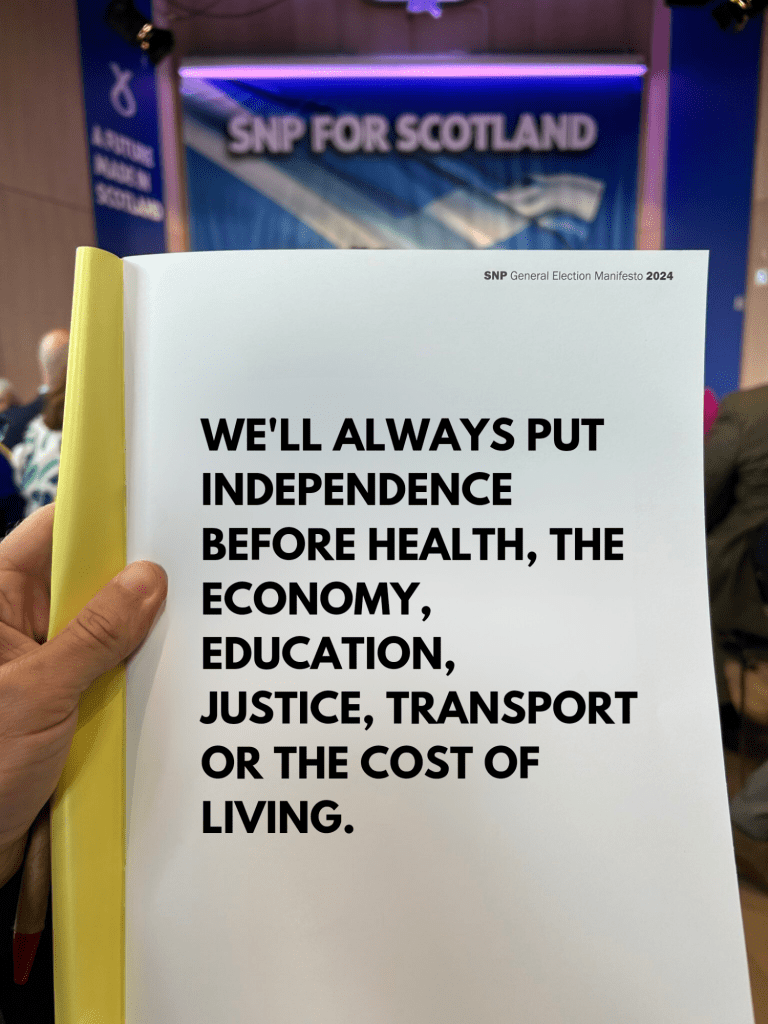
It has been ten years since the Scottish independence referendum of 2014, yet the question of independence still hangs around Scotland like a fart in a lift.
Instead of using the past decade to strengthen Scotland’s economy, improve public services, and address pressing societal needs, the Scottish National Party (SNP) has remained fixated on its nationalist dream.
This monomaniacal focus has, in many ways, paralyzed Scotland, diverting valuable resources and attention from crucial issues like healthcare, education, and infrastructure.
Yet, while obsessed with independence, the nationalists have failed to resolve the same basic questions that haunted the independence campaign in 2014—issues that remain as pertinent today as they were a decade ago.
The broken record
Since the referendum, the SNP has functioned less like a government and more like a perpetual opposition party, constantly relitigating the 2014 vote rather than moving forward. First Minister after First Minister have continued to cling to the nationalist cause, portraying Scotland as a nation under siege by Westminster rather than taking ownership of devolved issues within their own control. Every hour spent rehashing independence is an hour stolen from the urgent task of governance.
In 2014, many voted “No” because the SNP failed to provide concrete answers to vital questions: What currency would Scotland use? How would the deficit be managed? Could Scotland rejoin the European Union? How would the border with England function? These issues were brushed aside then, and astonishingly, they remain unresolved today. Not a single one of the major flaws in the independence plan has been addressed or clarified.
The currency question
One of the most significant unanswered questions in 2014 was about Scotland’s currency. The SNP proposed retaining the pound, but this was quickly dismissed by the UK government, which stated that no currency union would be offered. Ten years on, and the SNP still has no concrete plan. The issue of currency isn’t just a minor inconvenience—it’s the backbone of any independent nation’s financial system. Without control over its own currency, Scotland would lack the basic tools to manage its economy, leaving it vulnerable to economic shocks and instability. Not to mention the potential chaos for businesses and individuals having to navigate a transition from one currency to another. Yet, despite years of warning and opportunity, the SNP’s strategy remains dangerously vague.
Deficit and Grievance
Scotland’s public finances are another area where the SNP has failed to offer any substantive answers. According to figures from the Scottish Government’s own Government Expenditure and Revenue Scotland (GERS) report, Scotland has consistently run a significant deficit. In the 2022-2023 fiscal year, this deficit stood at an eye-watering £23.7 billion, around 12.3% of GDP—more than three times higher than the UK average deficit (Scottish Government, 2023).
Given these figures, the question arises: How would an independent Scotland address this fiscal black hole? In 2014, the SNP brushed this aside, claiming oil revenues would cover the gap—a promise that was proven wildly optimistic when oil prices collapsed shortly after. Now, ten years later, there’s still no coherent plan for closing the deficit. Would taxes rise? Would public spending be slashed? These are questions any responsible government would seek to answer before pushing for independence again. Instead, the SNP has chosen to distract with rhetoric and grievance, sidestepping the difficult but essential work of crafting a workable economic plan.
EU membership
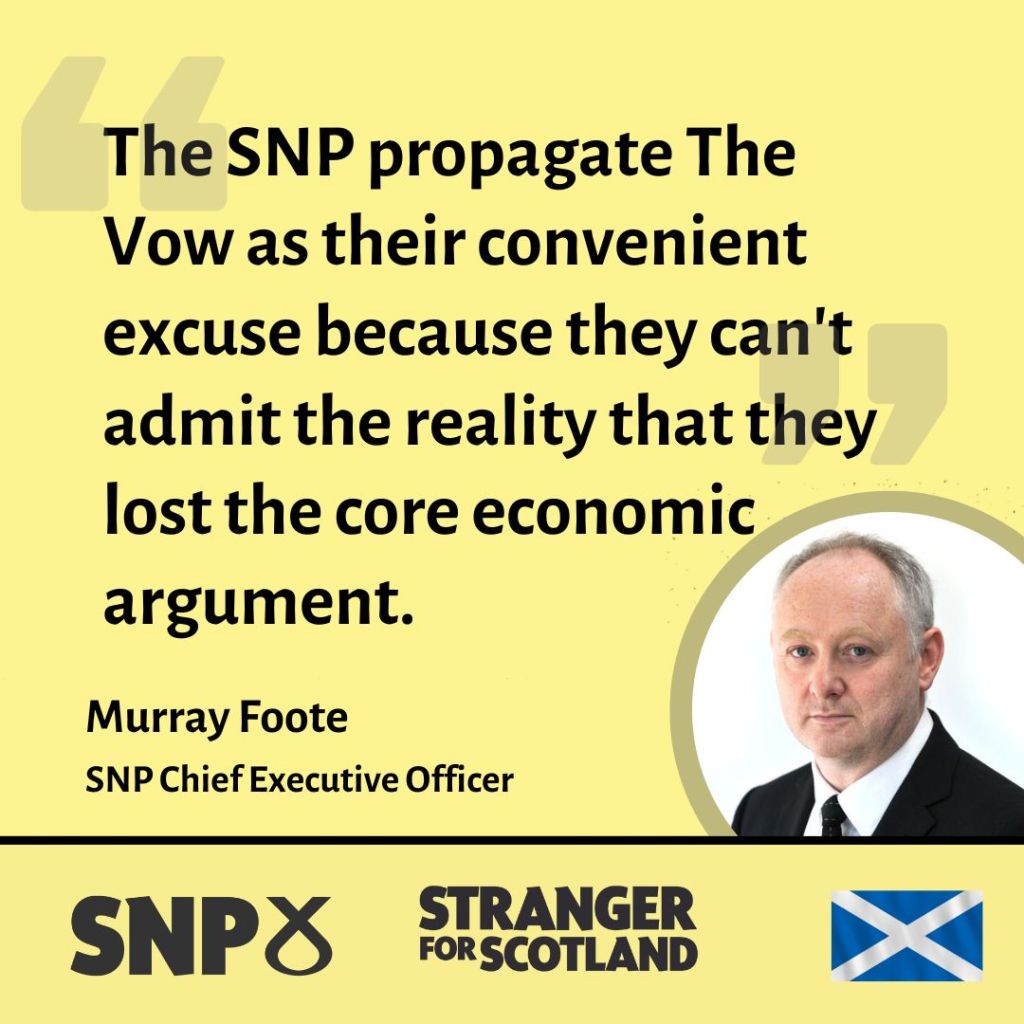
The prospect of an independent Scotland rejoining the European Union is another thorny issue the SNP has failed to address. Scotland, having voted to remain in the EU during the Brexit referendum, was forcibly removed from the union alongside the rest of the UK. The SNP has seized on this as a rallying cry for independence, promising Scots a swift return to the EU if they break away from the UK. However, this promise is far from straightforward.
First, EU membership is not automatic, nor would it be quick. New members must meet strict criteria, including stable public finances—something Scotland currently lacks. Moreover, the EU has made it clear that new members must accept the euro as their currency. Is the SNP prepared to commit to adopting the euro, abandoning the pound altogether?
Despite a detail free whitepaper The party has not provided any clear answers on this front either, leaving Scotland’s future in the EU as speculative as ever.
I’ve endlessly shared detailed primary evidence and resources on this. It is still astounding to me that Nationalists try to use EU membership as a carrot of independence. It isn’t remotely credible.
Here’s access to my 2 years research into Scotland joining EU fully referenced with primary sources including ScotGov, the European Commission, EU treaties, EuroLex, current ascension papers, Scottish Parliament, Freedom of Information responses and more.
The Border Question.
The border question
Another critical issue conveniently ignored by the SNP is the question of the border with England. An independent Scotland outside the UK but seeking EU membership would likely face a hard border with the rest of the UK, its largest trading partner. Such a border would create significant economic and logistical challenges, potentially harming businesses that rely on free trade between Scotland and England. In 2019, the UK accounted for 60% of Scotland’s exports—much of which would be threatened by a hard border (Scottish Government, 2020). Yet, here again, the SNP has offered no concrete plan on how this border would function or how they would mitigate the damage to Scottish businesses.
Domestic Failures
While the SNP has been busy promoting nationalist grievance, it has woefully neglected its responsibilities in governing devolved areas such as healthcare, education, and justice. Scotland’s NHS is struggling under the weight of staff shortages, rising demand, and budgetary pressures. In fact, waiting times for treatments are some of the longest in the UK, and drug-related deaths have skyrocketed, reaching record highs in recent years. These are not the signs of a government focused on improving the lives of its citizens.
In education, Scotland’s performance has also faltered. Once the envy of the UK, Scotland’s schools have seen declining outcomes, with literacy and numeracy scores falling behind. Rather than addressing these issues head-on, the SNP has continued to promote independence as the solution to all of Scotland’s woes. But governance is not just about setting aspirations for the future; it’s about managing the present and improving the lives of people here and now.
Government in opposition
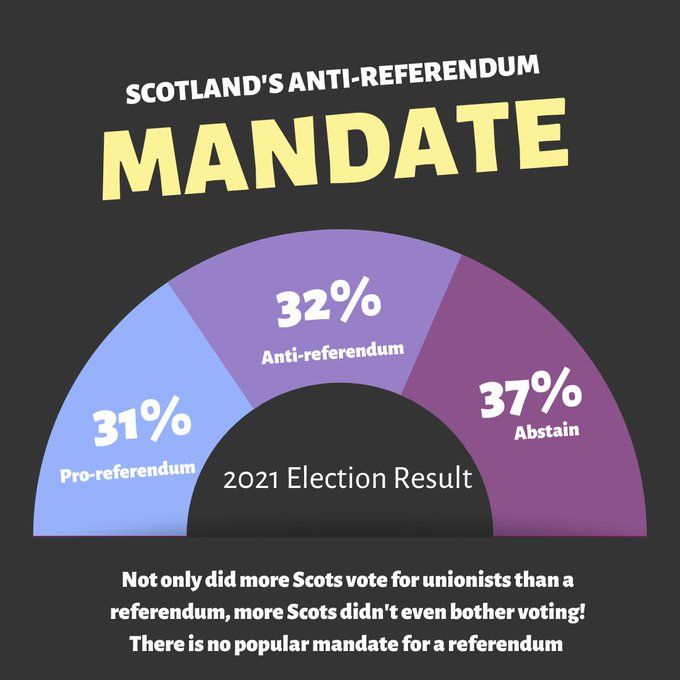
The SNP’s continual focus on independence has left Scotland with a government that behaves more like an opposition. Rather than addressing the real and pressing issues facing the country, the party has chosen to stir up nationalist sentiment, presenting Westminster as the root cause of all problems. This is not governance; it’s grandstanding.
If the SNP had put even half the effort into improving Scotland as they have into dividing it, Scotland would be in a far better position today. But instead, they have wasted a decade—and stolen one from the people of Scotland.
Time to move on
Ten years on from the referendum, the SNP has failed to answer the key questions that remain at the heart of the independence debate. The currency, the deficit, EU membership, and the border with England—none of these issues have been resolved. In the meantime, Scotland’s public services have suffered, and its people have paid the price for a government more interested in nationalism than governance.
I’m tired of this shit.
They haven’t made a new case for independence in a decade, and every case they have made has already been debunked, disproven and discredited, with a wealth of evidence, over and over again.
Only the fanatics, the deluded and the wilfully ignorant still believe.
It’s time for Scotland to move on from this debate. Independence is not the panacea the yessers claims it to be, and the last ten years have proven that their priorities are misguided. Their leaders corrupt. Scotland deserves better—a government that focuses on the real issues facing the country, not one stuck in a perpetual cycle of grievance and division.
 The Populist's Playbook